Home > MH-Home > Mental Health Programs > Therapies > Aftercare Program
Aftercare Program for Mental Health Recovery
Recovery doesn’t end when treatment ends. It grows stronger with the right support. The Aftercare Program at Live Free Behavioral Health keeps you connected, guided, and on track with personalized follow-up care that helps your progress last.
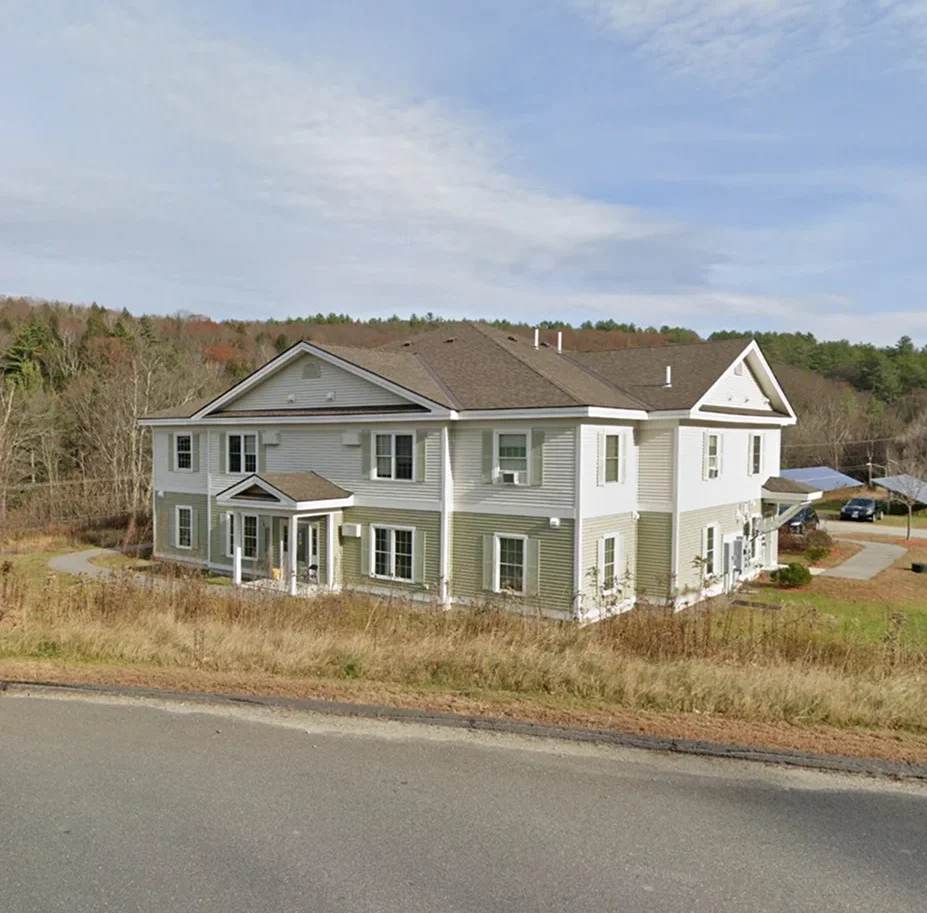
Aftercare and Transitional Care Support in Keene, NH
The Aftercare Program bridges structured treatment and independent living. Often called transitional or continuing care, it builds stability through early coordination, consistent follow-up, and personalized support routines.
You’ll work closely with your care team to:
- Confirm outpatient therapy and psychiatry appointments
- Simplify medication routines and track early adjustments
- Strengthen relapse-prevention and safety planning
- Rebuild structure and self-care habits at home
- Maintain support from alumni, family, and community
Every plan is unique, shaped around your strengths, challenges, and recovery goals. This helps you transition confidently into daily life with continued care and structure.
Why Choose Live Free Behavioral Health
Family Involvement from Day One
We include families through education, therapy, and ongoing updates. Loved ones learn how to offer support without losing boundaries.
Whole-Person Care Approach
Aftercare combines evidence-based therapies, mindfulness, and outdoor experiences to promote emotional balance and physical well-being.
Individualized Treatment Plans
You’ll leave with a customized aftercare plan that aligns with your needs, goals, and schedule rather than a preset template.
Life Design Empowerment
Our vision-planning track continues after discharge. We help you build goals, daily routines, and a sense of purpose that lasts.
Who Aftercare Is Designed For
Aftercare is designed for adults completing residential treatment who want structure as they return home. It’s especially supportive for those managing mental health conditions such as:
- Anxiety or depressive disorders
- Post-traumatic stress disorder (PTSD)
- Obsessive-compulsive disorder (OCD)
- Attention or focus challenges, such as ADHD
- Dual diagnosis or co-occurring conditions
The goal is proactive, preventive care. Through early engagement and regular communication, your team helps maintain progress and prevent relapse.

Ongoing Mental Health Support and Connection
Recovery continues long after residential care ends. Our aftercare and transitional planning ensure your support system stays strong through regular contact and structured next steps.
Your plan includes therapy follow-ups, medication management, and relapse-prevention tools. Families remain involved while alumni and community groups offer encouragement near home. This next phase keeps care consistent through:
- Consistent contact with outpatient providers
- Medication and safety check-ins
- Guidance for daily structure and coping skills

These supports reinforce the foundation built during treatment, helping you adapt to life with confidence.
How Aftercare Improves Long-Term Outcomes

lower suicide risk
Research showed that seeing a mental health provider within 7 days after discharge led to an 18% lower suicide risk compared to no visit within 30 days (JAMA Network, 2023).

months
Another study found that people who stayed in consistent psychiatric care for 20 months had fewer symptoms and better daily functioning (BMC Psychiatry, 2023).
Ready to Begin?
Contact Our Specialists
Recovery doesn’t end at discharge; it evolves. The Aftercare Program at Live Free Behavioral Health helps you stay supported, structured, and connected to your goals.
FAQs About Aftercare
What is the purpose of aftercare?
Aftercare provides structured follow-up care. It helps you maintain the progress made during residential treatment.
How does transitional care fit into aftercare?
Transitional care bridges the gap between treatment and home life, ensuring safety, stability, and accountability in the early phase.
How long does aftercare last?
Most aftercare plans cover the first 30–90 days post-treatment, but follow-up can extend longer based on your needs.
Is family involvement required?
While optional, family participation often strengthens communication and long-term recovery outcomes.
What if I relocate after discharge?
Our team will connect you with trusted providers and local supports to ensure continuity of care wherever you go.
Does insurance cover aftercare and transitional care?
Most major plans include post-treatment coordination and follow-up services. We’ll confirm coverage before you begin.